




 Deutschland
 India
India Lietuva
 United Kingdom
 Search
 Search



Engineering-led cyber transformation is grounded in deep technical rigor and practical engineering discipline. Rather than relying on high-level frameworks alone, this approach integrates cloud, data, identity, and automation engineering into the core of cyber modernization efforts. It ensures that cybersecurity isn’t a bolt-on activity—it's embedded directly into architectures, platforms, and operational workflows. By combining engineering best practices with mission-specific requirements, you can modernize without compromising resilience, performance, or compliance.
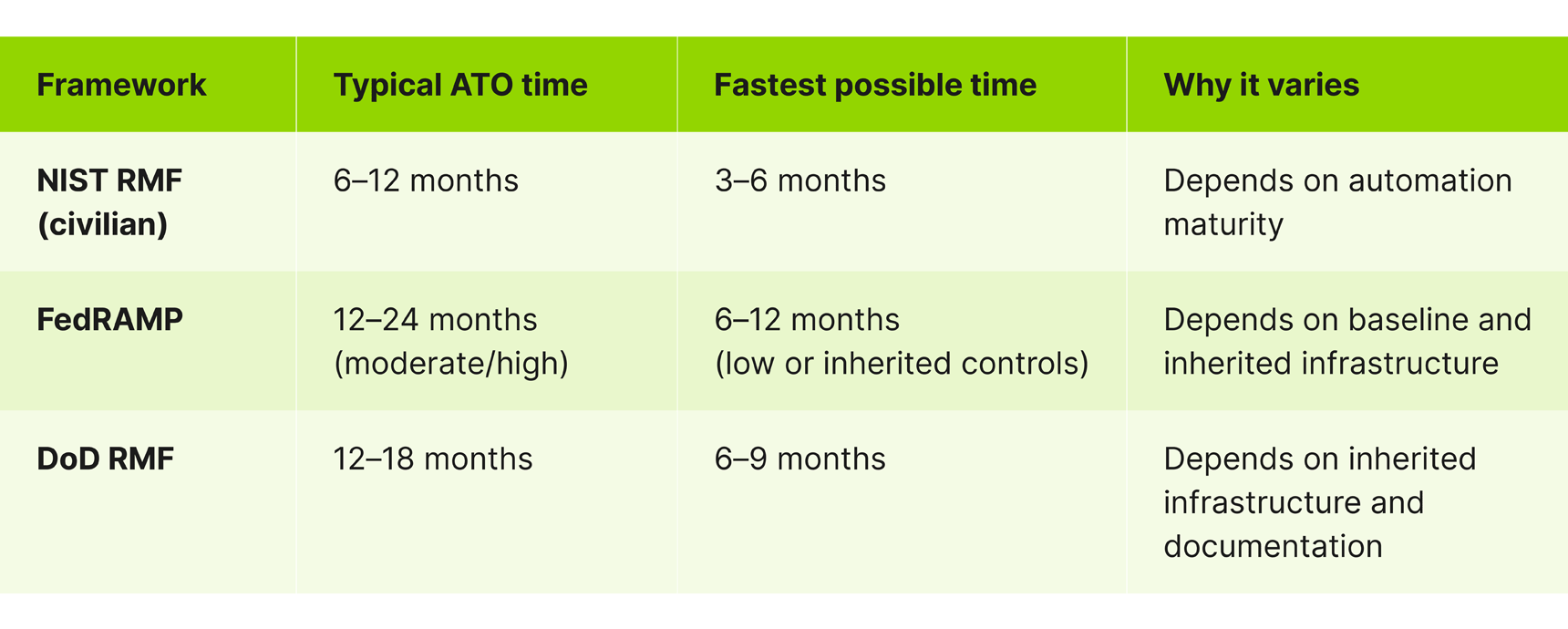
Traditional ATO processes are often slow and paper-based. They rely heavily on the need to develop, approve, and maintain static documentation for manual audit team review. This approach creates delays that can burden agencies and vendors with significant administrative overhead.
These inefficiencies can also hinder modernization efforts, drain resources, and provide a false sense of security risks. Because ATOs can be based on static documents or outdated screenshots, they don’t always accurately reflect the dynamic configurations of modern systems. Emerging programs like GSA’s FedRAMP 20x and DOW’s Software Fast Track Initiative provide blueprints for agencies to streamline and dramatically speed up the authorization process while providing more real-time visibility of system security postures.
By pulling evidence automatically through existing APIs rather than relying on manual screenshots, automation can accelerate remediation, improve security posture visibility and the user experience, save more than 100 hours per month, and reduce ATO timelines by ~40%. Typical time savings include:
A central component of an engineering-forward approach is its focus on fit-for-purpose innovation and modernization at scale. Before acquiring any additional tools, assess technologies already deployed in your environment to determine which ones can be used to collect real-time security data. To replace inconsistent, inefficient manual evidence collection, leverage native services and tools in your technology ecosystem through:
Whether you’re designing zero trust architectures, automating compliance activities, or reducing tool sprawl, using engineering-led approaches can help advance your modernization efforts in a mission-aligned manner. The key is to adopt a model of shared ownership and partnership, where engineering-led transformation is not delivered to you—it’s delivered with you.
Effective transformation is built collaboratively by engaging technical leads, program managers, security teams, and CIO organizations to ensure that modernization efforts align with mission priorities, user needs, and long-term sustainability. This model strengthens resilience across the enterprise and creates the conditions for ongoing innovation.

Nancy Sieger, Partner
Cindi Bassford, Partner
Guidehouse is a global AI-led professional services firm delivering advisory, technology, and managed services to the commercial and government sectors. With an integrated business technology approach, Guidehouse drives efficiency and resilience in the healthcare, financial services, energy, infrastructure, and national security markets.